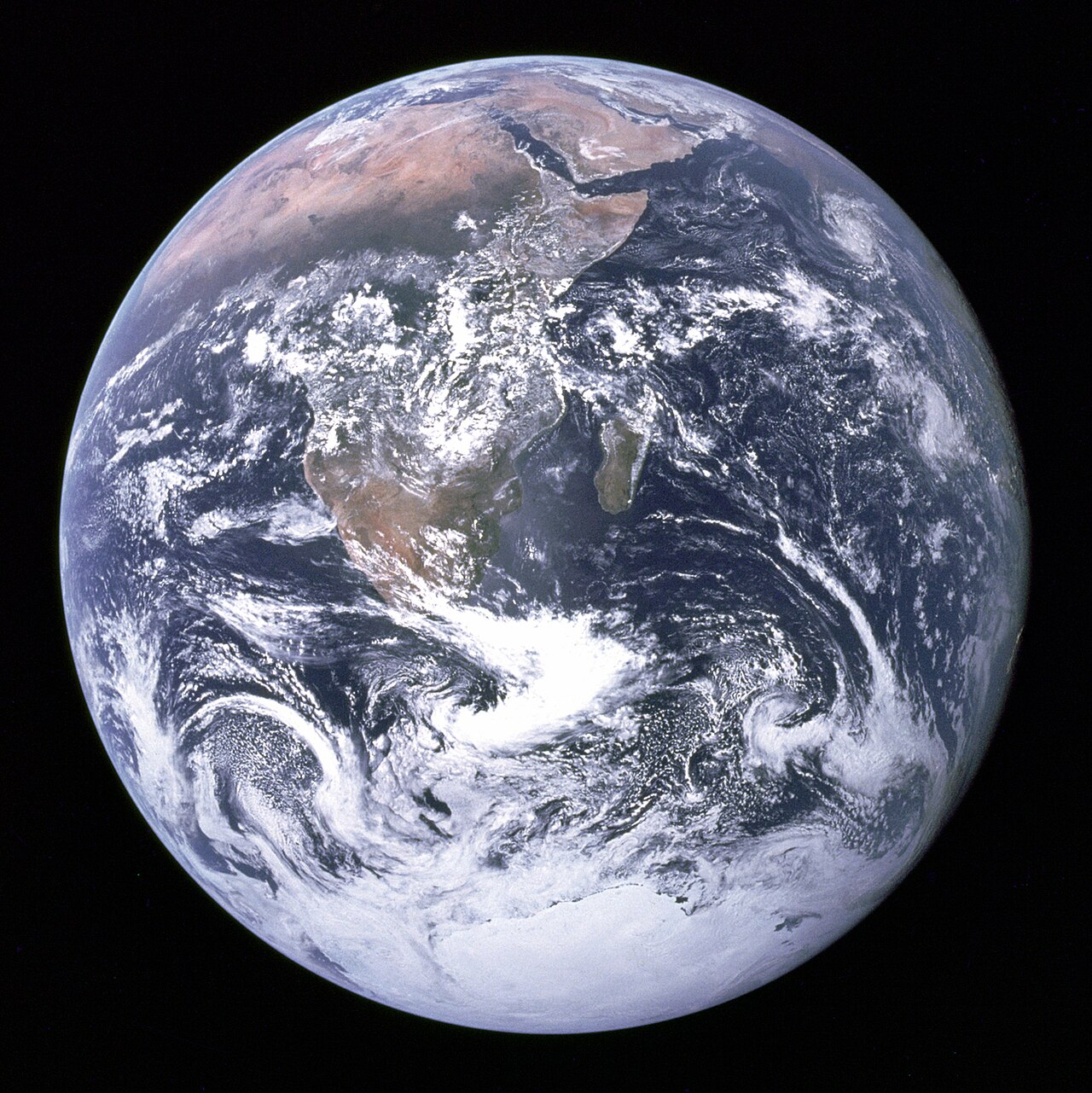
During the 1960s, environmentalism became a mass social movement. Drawing on a culture of political activism inspired in part by the Civil Rights and anti-war movements, thousands of citizens — particularly young, middle-class Americans — threw themselves into environmental politics. It was not led from a single pulpit: it grew out of marine biologists alarmed by dying songbirds, suburban families choking on smog, college students mobilizing on April afternoons, and a Wisconsin senator who believed Congress could be made to listen — if 20 million Americans showed up first.2
The movement was broader than its suburban image suggests. Historically marginalized groups — women, African Americans, Mexican Americans, and working-class union members — also joined the public pressure and grassroots activism that pushed environmentalism to the forefront of the liberal agenda during the Kennedy and Johnson administrations.2
Like the women's movement, environmentalism entered the 1960s with a long history but relatively little public support. By the early 1970s it had emerged, in the words of historian Alan Brinkley, as "a powerful and enduring force in American and global life" — fueled by visible environmental disasters, a maturing science of ecology, and a counterculture that questioned industrial progress at any cost.1
This dispatch traces the movement's rise: the ideas that prepared the ground, the people who spoke for it, the disasters that radicalized the public, and the laws — the Wilderness Act, NEPA, the Clean Air and Clean Water Acts, and the Environmental Protection Agency itself — that turned a slogan into permanent policy. Begin where you like: the full set of leaders is on the second page, a chronological run of dispatches follows on the third, and the manifesto & the long legacy bookend the rest.