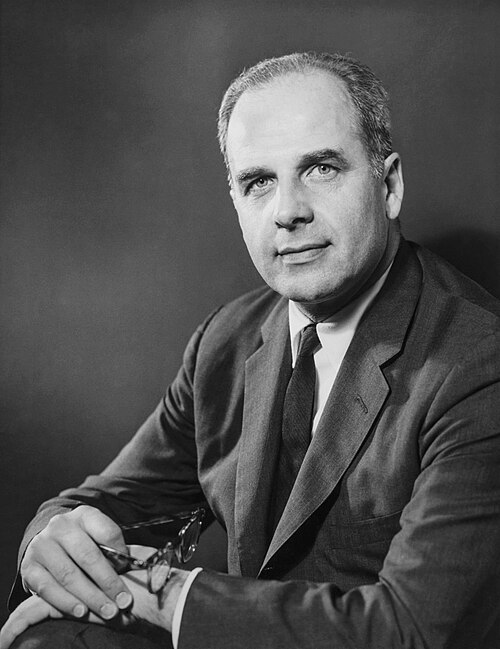
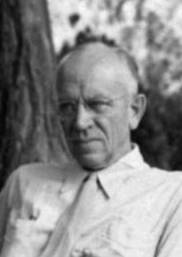
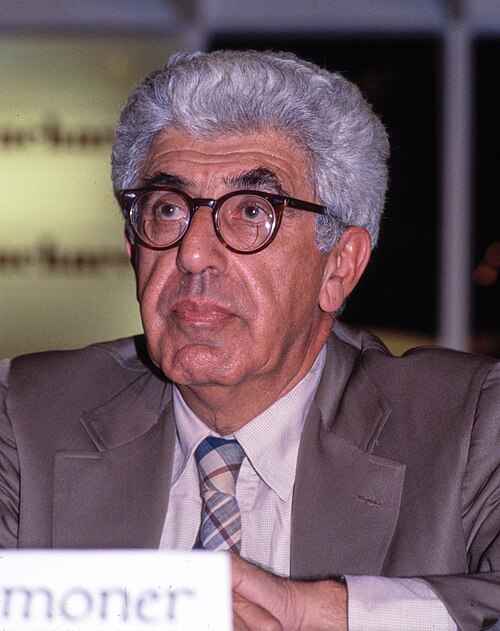
Gaylord Nelson said he became a conservationist "by osmosis," having grown up in the small town of Clear Lake, Wisconsin.2 He was governor of Wisconsin before he came to the Senate in 1963, and conservation was his signature issue throughout his career — he pushed to protect the Appalachian Trail, to ban DDT, and to guarantee clean air and clean water. For years he tried to persuade Presidents Kennedy and Johnson to make environmental protection a national priority. They listened politely; little changed.
In August 1969, flying to a speech in California and reading about anti-war "teach-ins" on college campuses, Nelson had an idea: what if a single day were set aside, nationwide, for Americans to learn about the environment? His goal, he later said, was "to get a nationwide demonstration of concern for the environment so large that it would shake the political establishment out of its lethargy."2
He announced the idea on September 9, 1969, in a speech to a small conservation group in Seattle. The New York Times ran it on the front page. Letters poured into his office. He hired a 25-year-old Harvard graduate student named Denis Hayes to coordinate it nationally and gave him a budget of $125,000. Hayes built a staff of 85.
The first Earth Day was April 22, 1970. By some estimates, more than 20 million Americans took part — gathering in schools, churches, parks, and on city streets in what may have been the largest single demonstration in the nation's history.1
"It worked because of the spontaneous response at the grassroots level. We had neither the time nor resources to organize 20 million demonstrators … Earth Day organized itself."
— Senator Gaylord Nelson
Within months of Earth Day, Congress passed the Clean Air Act of 1970 and the National Environmental Policy Act took effect; in December, the EPA opened its doors. Nelson received the Presidential Medal of Freedom in 1995 in recognition of Earth Day's lasting impact.